Window Treatments by Room
Find the Right Window Treatments for Every Room
Choosing window treatments by room helps you look beyond color and style to consider how each space functions throughout the day. Think about the amount of sunlight the room receives, how much privacy you need, and whether easy cleaning, insulation, glare reduction, or room darkening is most important.
Comfortable, Welcoming Shared Spaces
In the rooms where people gather, window treatments should complement your décor while making the space more comfortable. Explore living room window treatments that soften sunlight, help manage glare, and provide privacy without making the room feel closed in.
Practical Solutions for Busy Rooms
Kitchens need window treatments that can stand up to everyday activity. When choosing blinds and shades for kitchen windows, consider easy-to-clean materials, adjustable light control, and moisture-resistant options for windows near sinks or food-preparation areas.
A workspace has different priorities. Home office blinds and shades can reduce screen glare, manage bright afternoon sunlight, and create a more comfortable setting for focused work and video calls.
Match Light Control to the Way You Use the Room
Bedrooms, nurseries, and media rooms often benefit from stronger light control, while kitchens, dining rooms, and living spaces may feel best with filtered natural light. Bathrooms require an added focus on privacy and materials suited to humid conditions.
Because every window is different, SelectBlinds window treatments are custom-made to your measurements. Once you have identified the needs of your room, you can compare styles, colors, materials, light-control levels, and lift options to create a solution that feels made for your home.
Frequently Asked Questions About Window Treatments by Room
Dining rooms offer an opportunity to emphasize color, texture, and pattern. Roman shades, woven wood shades, curtains, and wood blinds can all add warmth and visual interest. Consider light-filtering materials for daytime gatherings or lined styles when greater evening privacy is important.
Choose cordless window treatments that provide the level of light control needed for sleep, play, and privacy. Blackout or room-darkening shades can support naps and earlier bedtimes, while easy-to-operate cordless styles maintain a clean appearance. Explore cordless window treatments for children’s rooms and nurseries.
Position the shade to block direct sunlight without removing all natural light from the room. Solar, light-filtering, and adjustable window treatments can help reduce distracting glare while maintaining a bright workspace. The best material and opacity will depend on the direction your office windows face.
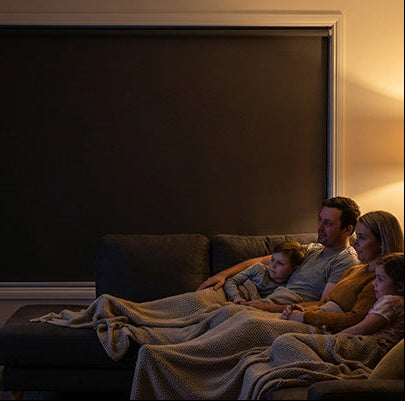
Blackout shades and other room-darkening window treatments are especially useful in media rooms because they help reduce exterior light and screen glare. Motorization can make multiple or hard-to-reach windows easier to adjust. Compare blackout window treatments for media rooms and home theaters.
Consider when direct sunlight enters the room, whether glare affects televisions or seating areas, and how much privacy you need after dark. Light-filtering shades can soften daylight, while solar shades help manage glare and UV exposure. Layered or adjustable styles provide greater flexibility throughout the day.
Prioritize materials that are durable, easy to wipe clean, and appropriate for the window’s location. Adjustable blinds can provide flexible light and privacy, while roller shades offer a streamlined surface that is simple to maintain. Avoid delicate fabrics in areas frequently exposed to moisture, grease, or cooking residue.
Bathroom window treatments should provide privacy and hold up well in humid conditions. Faux wood blinds, shutters, and moisture-resistant roller shades are practical options, particularly for windows located near a shower, bathtub, or sink. Browse moisture-resistant bathroom window treatments designed for this hardworking space.
Bedroom window treatments support privacy, comfortable light control, and restful sleep. Room-darkening and blackout materials can reduce incoming light, while cellular construction may provide added insulation. Explore bedroom window treatments for privacy and light control to compare styles suited to your space.