


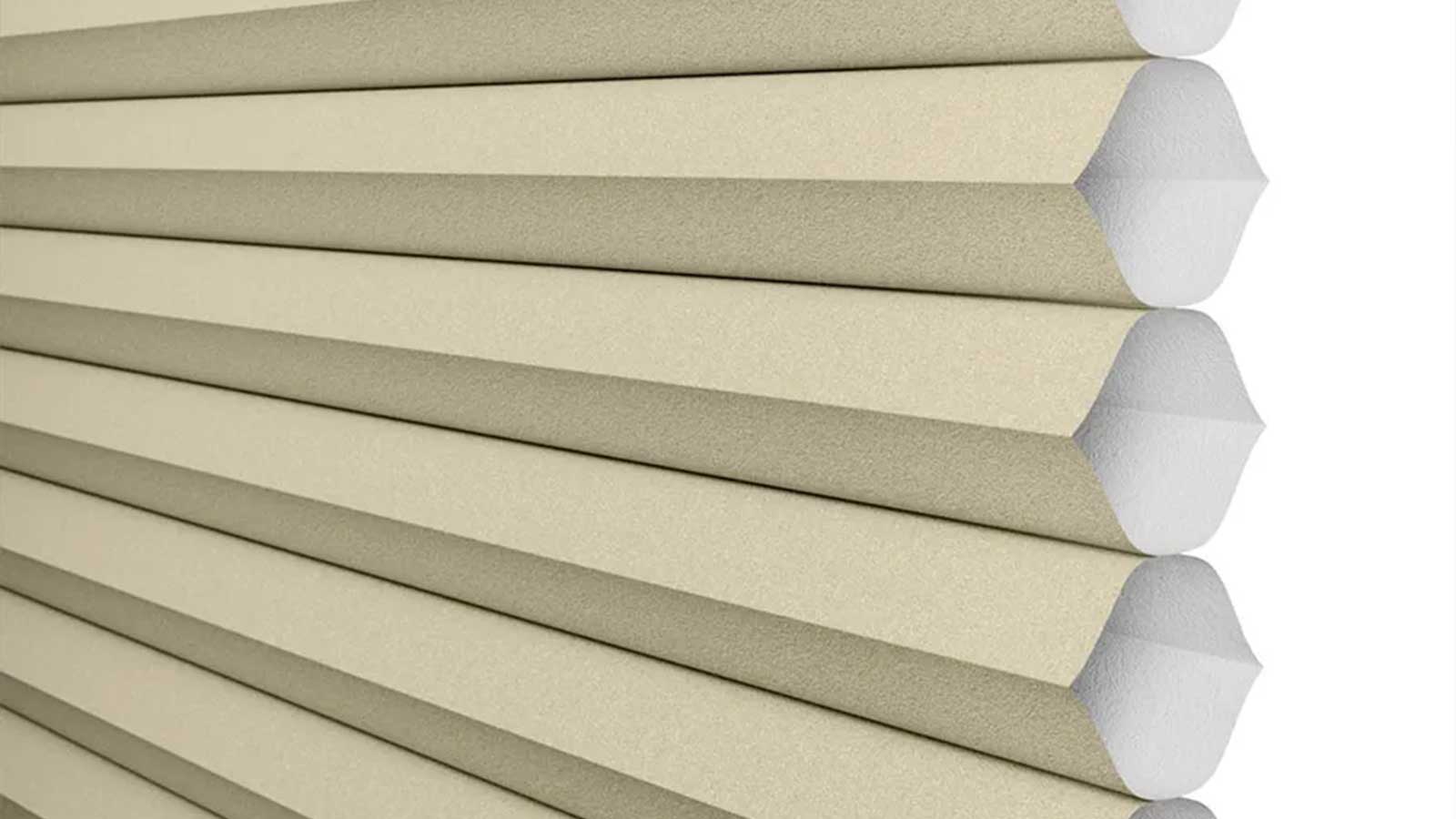
How to Choose the Right Cellular Shade Cell Size
Cellular shades, also called honeycomb shades, are modern, energy efficient, and stylish. But knowing which cell size is right for your windows can be tricky. Ordering the wrong cell size can lessen insulation performance, look disproportionate in the window, and even cause unnecessary strain on the shade itself. Here’s what you need to know to choose the right cell size.
Double Cell vs. Single Cell

Double cell honeycomb shades offer increased insulation, helping improve energy efficiency and indoor comfort. However, the extra layer also makes the shades heavier than single cell options.
Choosing double cell shades for large windows can make them more difficult to operate over time due to the added weight. This can potentially lead to cord strain or bowing. For best performance, double cell shades are often recommended for small to medium-sized windows.

Single cell honeycomb shades are significantly lighter while still offering noticeable insulation and energy-saving benefits.
Whether you choose single or double cell shades, you’ll still enjoy the same clean, modern appearance and practical benefits, just at different performance levels.
Small Cell Sizes (3/8")
Smaller cells feature narrower pleats, making them ideal for smaller windows. The smallest available cell size is 3/8". Using small cell shades on larger windows can create a visually busy appearance because of the higher number of pleats. If you have a narrow window sill, smaller cell sizes tend to fit more naturally and proportionally.
Smaller windows also pair especially well with top down bottom up cellular shades, giving you greater flexibility to balance natural light and privacy.
Medium Cell Sizes (1/2"–9/16")
Medium-sized windows are best suited for 1/2" or 9/16" cell sizes. These are among the most popular options because they provide a balanced look across a wide range of window sizes without overwhelming the space.

Large Cell Sizes (3/4")
Large windows are often best covered with 3/4" single cell shades. This larger size remains light enough for smoother operation while effectively covering wide spans. Larger pleats can also create a more refined and sophisticated appearance, especially in windows with deeper sills.
Compare Cell Sizes with Free Samples
Not sure which cell size or fabric is right for your windows? Order up to 15 free samples to compare colors, textures, and light-filtering options in your home before placing your custom order.
Have questions? Call or chat with one of our Design Consultants at (888) 257-1840. We're here to help and we're easy to talk to!