


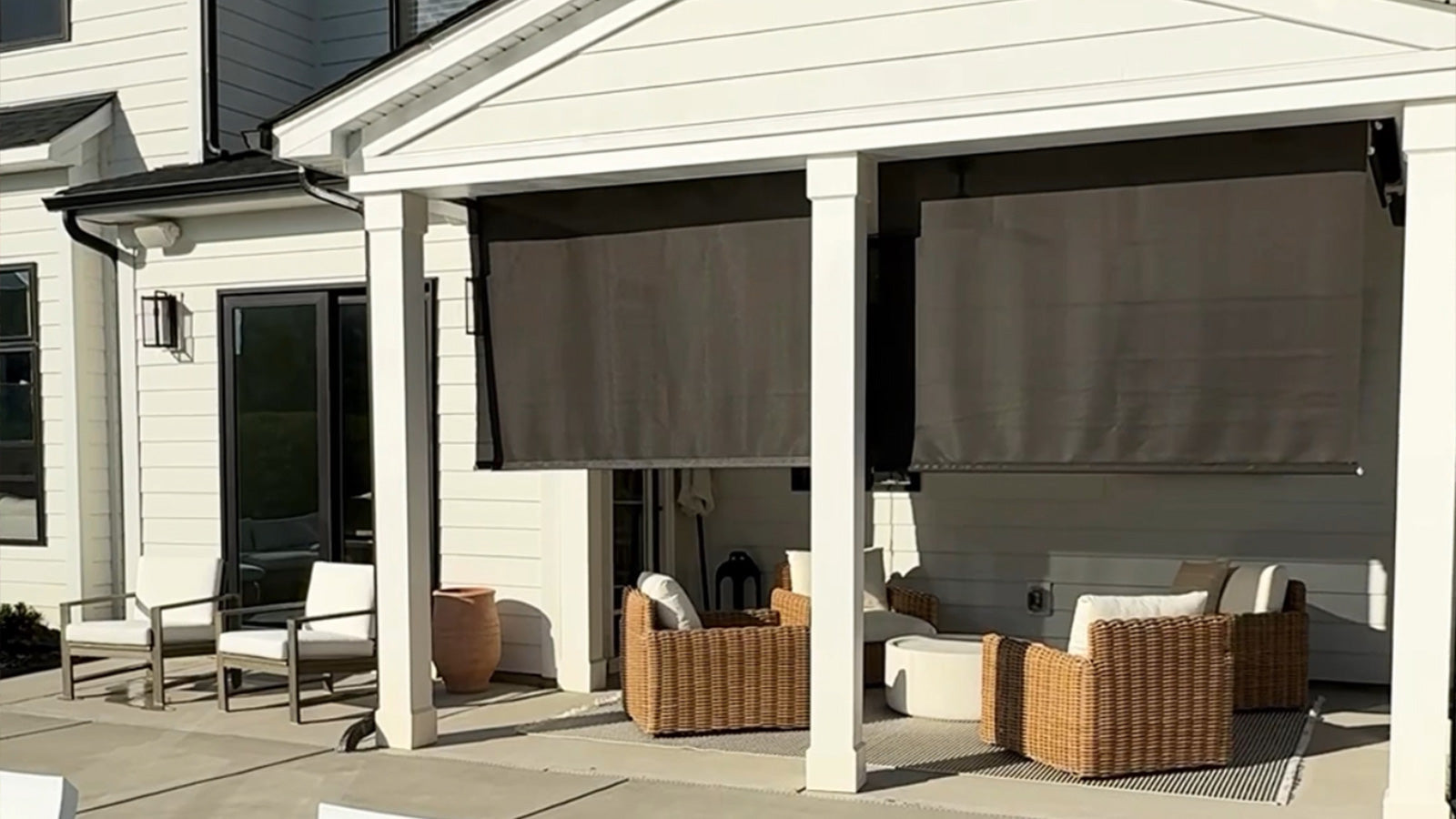
The Complete Guide to Heat, Glare, UV Protection and Choosing the Right Solar Shades
When sunlight pours through your windows, it can make a home feel bright and welcoming. It can also create uncomfortable heat, harsh glare and fading damage on floors and furniture. That is why so many homeowners ask the same question:
Do solar shades actually keep rooms cooler?
The answer is yes.
When properly selected and installed, solar shades can significantly reduce heat buildup, minimize glare and block harmful UV rays while still preserving natural light and outdoor views. Unlike blackout shades or room-darkening window treatments, solar shades are specifically designed to manage sunlight instead of completely eliminating it.
For homes with large windows, west-facing rooms, open-concept living spaces or intense afternoon sun, solar shades are one of the most effective modern window treatments available.

What Are Solar Shades?
Solar shades are window coverings made from specially engineered woven fabrics that filter sunlight before it enters your home. Their primary purpose is to:
- Reduce heat gain
- Minimize glare
- Block UV rays
- Preserve outdoor visibility
Unlike traditional roller shades, solar shade fabrics are designed with an openness factor, which determines how tightly the fabric is woven and how much light passes through.
Understanding Openness Factor
The openness percentage refers to how much visible light and UV radiation can pass through the material.
Lower Openness: 1% to 3%
- Tighter weave
- Blocks more heat and glare
- Offers greater daytime privacy
- Provides less outward visibility
Mid Openness: 3% to 5%
- Balances heat control and visibility
- Works well for living spaces
- Offers strong performance for south-facing windows
Higher Openness: 5% to 14%
- Allows more natural light
- Provides better outdoor visibility
- Offers less glare and heat reduction than tighter weaves
The lower the openness percentage, the more effective the shade becomes at reducing solar heat and glare.

Do Solar Shades Really Reduce Heat?
Yes. Solar shades can make a noticeable difference in rooms that receive direct sunlight.
Solar shades work by filtering and intercepting sunlight at the window before it becomes radiant heat inside your home. Instead of allowing direct sunlight to flood into a room, the fabric helps:
- Reflect part of the sunlight
- Absorb some solar energy
- Reduce heat transfer through the glass
Depending on the openness factor, fabric color and installation method, interior solar shades can reduce incoming heat by approximately 30% to 70%. Exterior solar shades may reduce even more because they stop sunlight before it reaches the glass.
This can make a noticeable difference in:
- Living rooms
- Home offices
- Kitchens
- Sunrooms
- Rooms with large windows
- Homes in warm climates
Many homeowners notice cooler afternoon temperatures, less strain on air conditioning, improved comfort near windows and fewer hot spots throughout the home.
How Solar Shades Reduce Glare
Heat is not the only issue caused by sunlight. Glare can make TVs difficult to watch, computer screens hard to see and living spaces uncomfortable during the brightest parts of the day.
Solar shades diffuse harsh sunlight while still allowing natural light into the room. This makes them ideal for:
- Home offices
- Media rooms
- Living rooms
- Kitchens
- Open-concept spaces
A tighter weave generally provides stronger glare reduction, although even moderate openness levels can dramatically improve visual comfort.

Why Solar Shades Are Great for South-Facing and West-Facing Windows
Not all windows receive sunlight in the same way. South-facing and west-facing windows are often the biggest sources of heat and glare in a home.
South-Facing Windows
South-facing windows receive consistent sunlight throughout the day. This can create steady brightness, gradual heat buildup and increased indoor temperatures.
For these windows, a 3% to 5% openness is usually ideal because it balances:
- Natural light
- Outdoor visibility
- Heat reduction
- Glare control
West-Facing Windows
West-facing windows are often the most difficult to manage because they receive intense late-afternoon sun.
This can cause:
- Excessive glare
- Hot rooms in the evening
- Sharp temperature spikes
- Harsh direct sunlight
For west-facing windows, a tighter 1% to 3% openness is typically recommended to provide stronger heat and glare reduction.
The Four Biggest Benefits of Solar Shades
1. Solar Shades Help Keep Rooms Cooler
This is one of the biggest reasons homeowners choose solar shades.
By reducing solar heat gain, solar shades help stabilize indoor temperatures and improve comfort during warmer months. Rooms with direct sunlight often feel noticeably cooler once solar shades are installed.
2. Solar Shades Reduce Glare
Solar shades soften intense sunlight without making a room feel dark or closed off. This is especially valuable in workspaces, living rooms, homes with large windows, TV rooms and homes with reflective flooring.
3. Solar Shades Block UV Rays
Many solar shade fabrics block up to 95% to 99% of harmful UV rays, helping protect:
- Hardwood floors
- Rugs
- Artwork
- Upholstery
- Furniture
- Cabinets
UV protection also helps preserve interior finishes over time.
4. Solar Shades Preserve Outdoor Views
One of the biggest advantages of solar shades is that they allow you to maintain a connection to the outdoors.
Unlike blackout shades or heavy curtains, solar shades filter light, maintain visibility and preserve an open feeling. Darker solar shade fabrics often improve outward visibility even further.

Can You See Through Solar Shades?
Yes, you can usually see through solar shades during the day.
Solar shades are designed to allow outward visibility while limiting visibility from outside during daylight hours. However, this changes at night.
During the Day
- You can usually see outside
- Visibility into the home from outside is reduced
Because of this, solar shades are not ideal for spaces requiring complete nighttime privacy unless they are layered with drapery or curtains, blackout panels or another privacy-focused window treatment.
Do Solar Shades Help Lower Energy Bills?
They can.
Because solar shades reduce solar heat gain, they may reduce air conditioning usage, cooling costs and HVAC strain during hot weather. Homes in sunny climates often experience the biggest energy-saving benefits.
However, solar shades are best viewed as a sunlight management solution rather than a full insulation product.
Are Solar Shades Good for Insulation?
Solar shades excel at heat reduction from sunlight, UV protection and glare control. However, they are not designed to trap air or insulate windows the way cellular shades do.
If insulation is your top priority, cellular shades are generally more effective because their honeycomb construction creates insulating air pockets.
Best for Insulation
- Cellular shades
- Blackout shades
- Layered window treatments
Best for Sunlight Control
- Solar shades
Many homeowners combine solar shades with drapery or curtains to get daytime light filtering, better insulation and improved nighttime privacy.
Interior Solar Shades vs. Exterior Solar Shades
Both interior and exterior solar shades reduce heat and glare, but they perform differently. For a more detailed comparison, explore our guide to interior vs. exterior solar shades.
Interior Solar Shades
Pros:
- Easier to maintain
- More style options
- Cleaner interior appearance
- Excellent glare reduction
Cons:
- Slightly less effective than exterior shades at blocking heat
Exterior Solar Shades
Exterior solar shades stop sunlight before it reaches the glass, making them extremely effective for heat reduction, outdoor comfort and patio cooling.
Pros:
- Maximum solar heat reduction
- Excellent UV protection
- Ideal for hot climates
Cons:
- More exposure to weather
- Fewer style choices
- May require more maintenance
Choosing the Right Solar Shade Color
Color affects both visibility and performance.

Darker Fabrics
- Better outward visibility
- Better glare reduction
- May absorb more heat
Lighter Fabrics
- Reflect more sunlight
- Keep interiors brighter
- Offer a softer appearance
The best choice depends on whether you prioritize visibility, brightness, heat control or design aesthetics.
Where Solar Shades Work Best
Solar shades are especially effective in:
- Living rooms
- Home offices
- Kitchens
- Sunrooms
- Desert climates
- Lake homes
- Open-concept homes
- Rooms with large windows
They are less ideal for bedrooms that require darkness, bathrooms that need privacy or spaces where insulation is the top priority.
Are Solar Shades Worth It?
For most sunny spaces, yes.
Solar shades offer one of the best combinations of heat reduction, glare control, UV protection, natural light, modern design and outdoor visibility.
They create brighter, more comfortable rooms without the heavy appearance of traditional window coverings.
For homeowners who want to reduce harsh sunlight while preserving views and natural light, solar shades are one of the smartest window treatment investments available.
Find the Right Solar Shade Fabric
Openness, fabric color and texture can all affect how a solar shade performs in your room. Order up to 15 free samples to compare fabrics in your own lighting and find the right balance of glare control, visibility and style before placing your custom order.
Final Thoughts
Solar shades really do reduce heat and glare, and they do it without sacrificing the airy, open feeling that makes natural light so desirable.
By choosing the right openness factor, fabric color and installation type, you can:
- Keep rooms cooler
- Improve comfort
- Reduce glare
- Protect interiors from UV damage
- Maintain beautiful outdoor views
For south-facing and west-facing windows especially, solar shades remain one of the most effective and stylish solutions for managing intense sunlight.
Whether you want a cooler living room, a glare-free home office or a more comfortable open-concept space, solar shades help your home work with the sun instead of against it.
Have questions? Call or chat with one of our Design Consultants at (888) 257-1840. We're here to help and we're easy to talk to!