


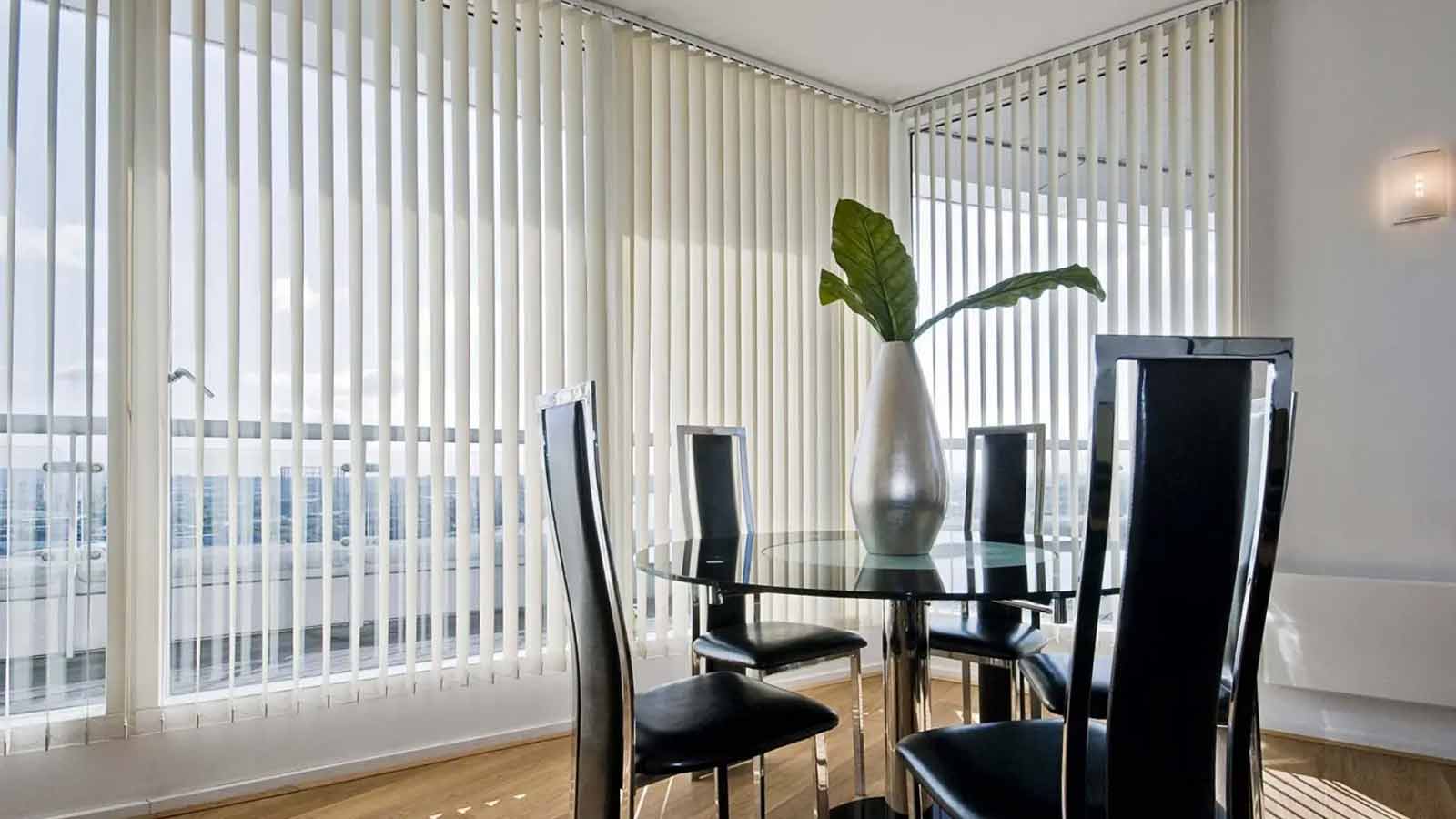
How to Position Vertical Blinds in Summer for Heat Control and Privacy
Wondering which way to turn vertical blinds for privacy and cooling during the summer? Or whether slats should face left or right, up or down? This guide explains the best positions for warmer months, helping you reduce heat, control light, and maintain privacy in living rooms and sliding door spaces.
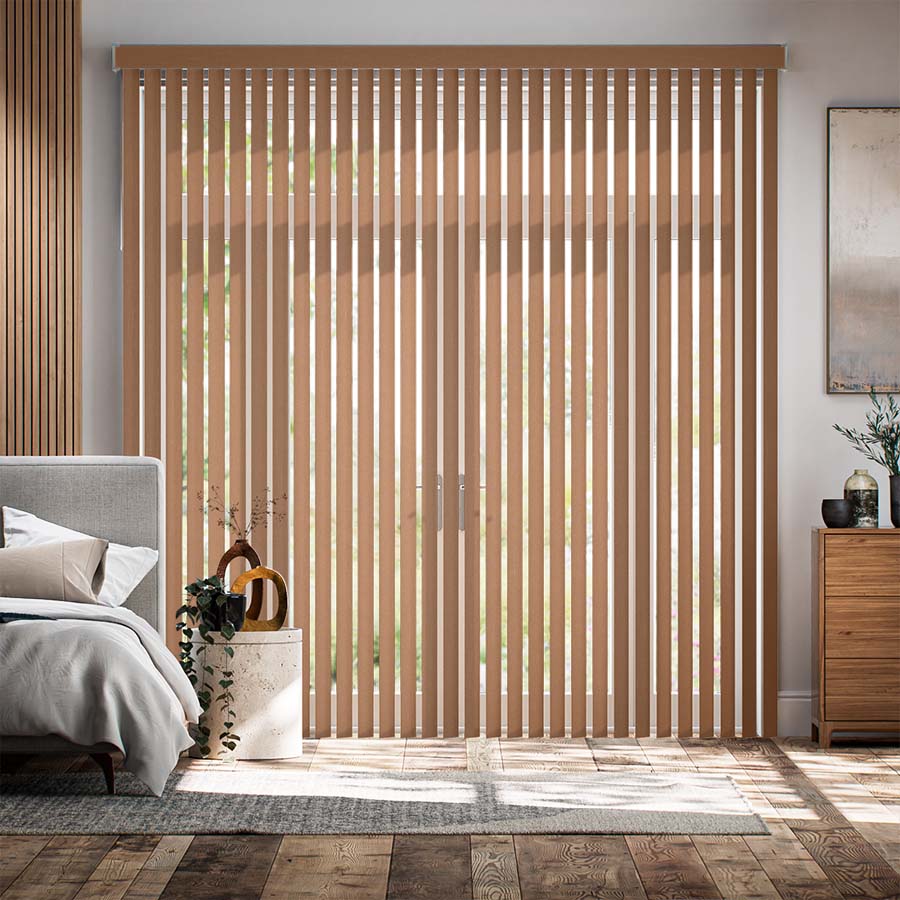
Why Slat Direction Matters in Summer
According to the U.S. Department of Energy, approximately 76% of sunlight that hits standard double-pane windows becomes heat inside the home. While cellular shades offer top-tier insulation, properly adjusted vertical window blinds can also significantly reduce heat gain and glare.
Slat orientation plays an important role in comfort. The right angle can redirect sunlight, protect furniture and flooring, reduce glare on screens, and even help lower energy costs.
Up or Down? Applying Horizontal Blind Logic
For horizontal window blinds, the summer rule is simple: position the slats facing upward, with the rounded side toward the window. This same concept helps explain optimal positioning for vertical styles as well.
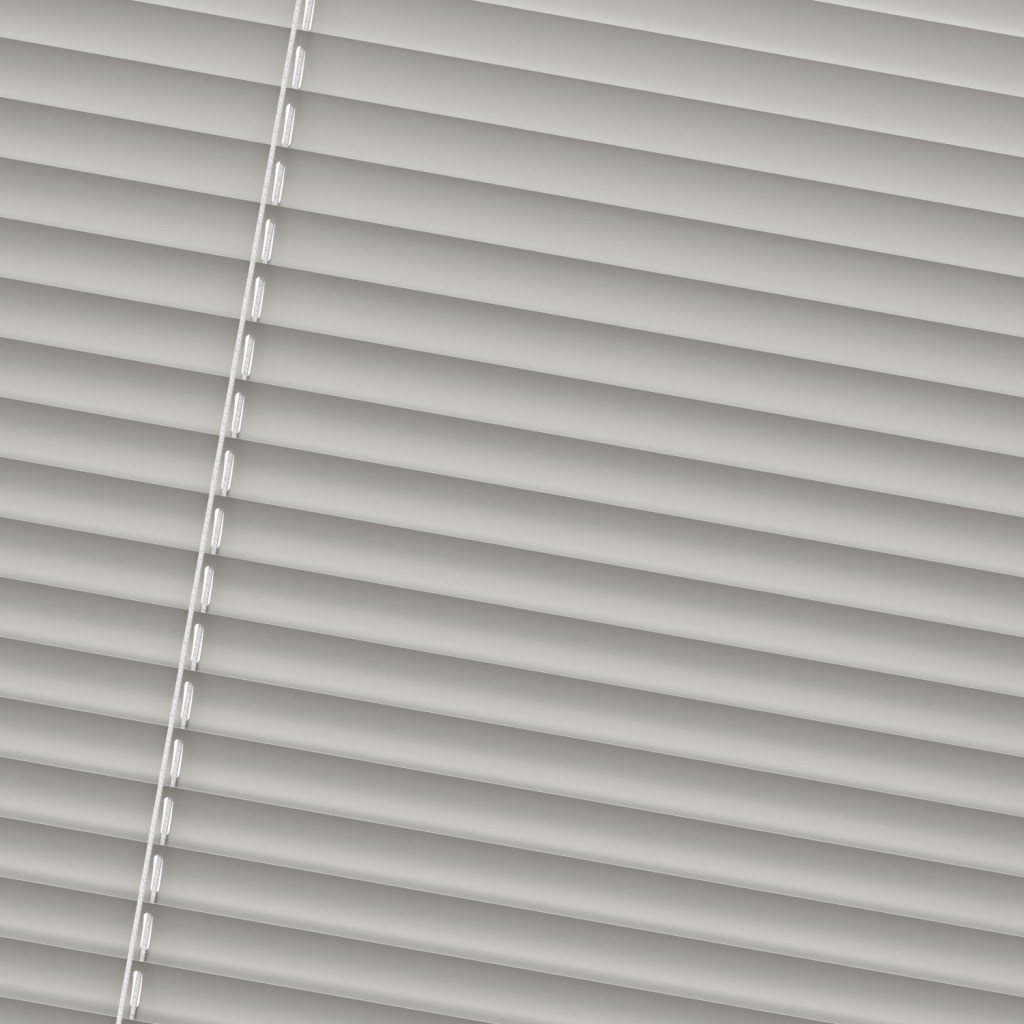
When slats tilt upward or away from the room, they help block harsh UV rays while diffusing natural light toward the ceiling. This reduces glare without completely darkening the space.
Left or Right? Does Opening Direction Matter?
When choosing vertical blinds left or right opening, the decision is based primarily on convenience, furniture placement, and traffic flow.
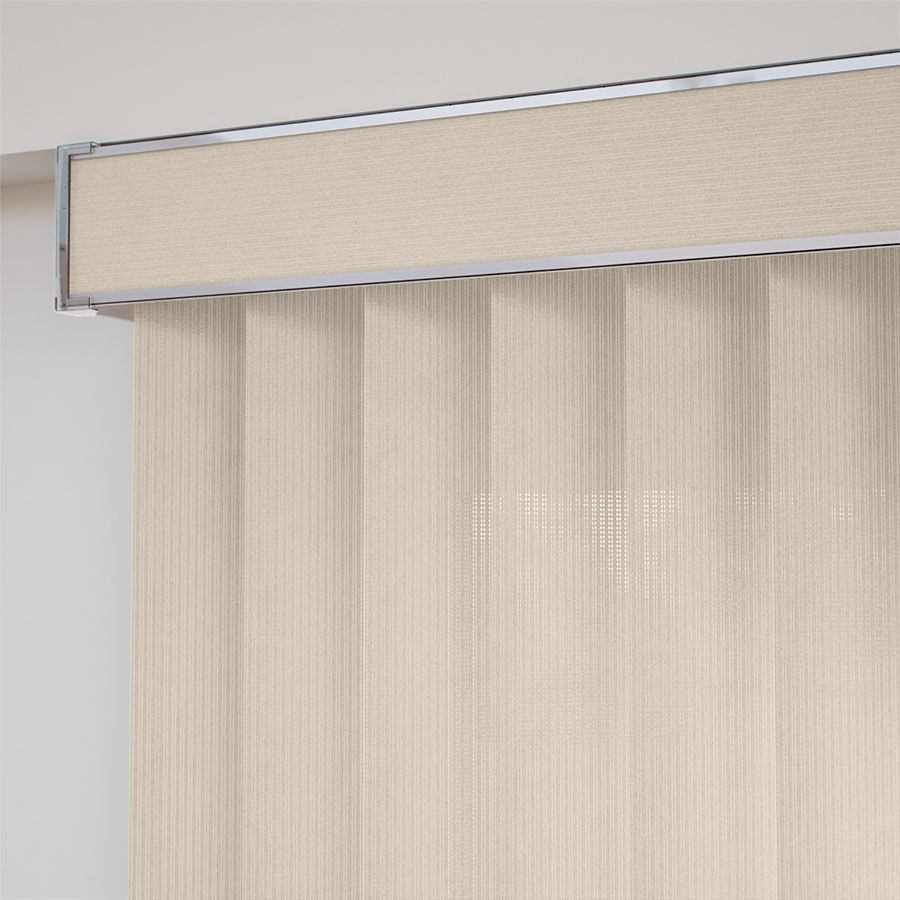
Stack direction does not affect vertical blinds sun blocking or insulation. What matters most is how the slats are angled when fully closed.
Proper Way to Close Vertical Blinds in Summer
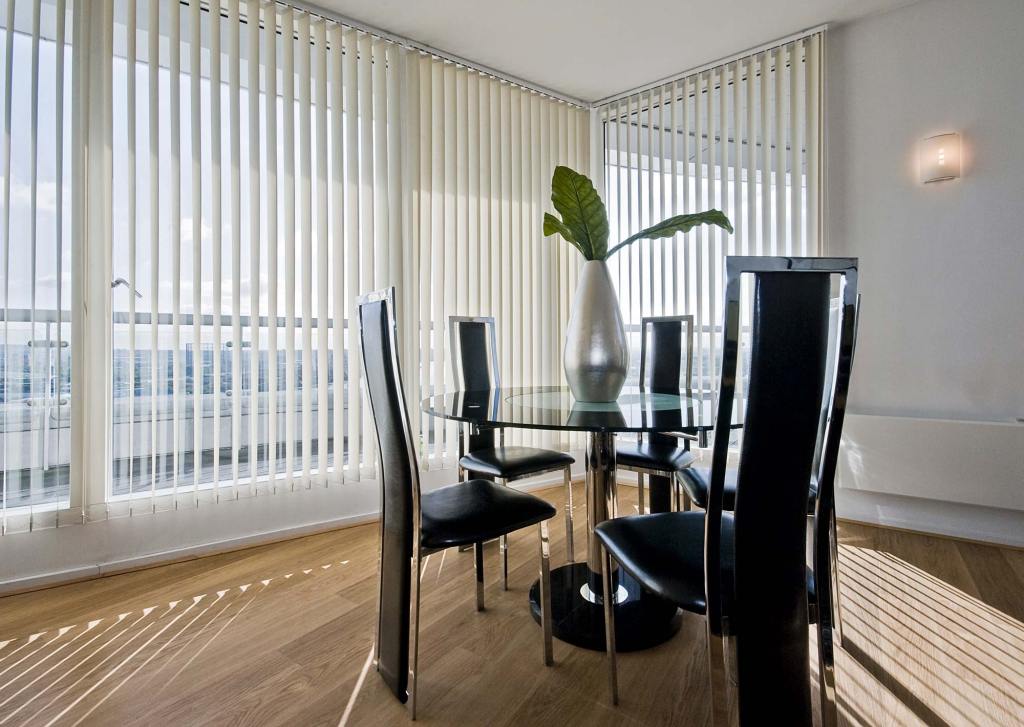
Whether installed over sliding glass doors or in living rooms, proper slat positioning helps block sunlight, preserve privacy, and keep interiors comfortable.
Use this summer checklist for best results:
- Close the vanes tightly so the coated or reflective side faces the window. This maximizes heat and glare reduction.
- Tilt slats away from the room to help redirect heat back outside.
- Keep blinds fully closed during peak afternoon sunlight hours.
- For privacy, double-check slat alignment so minimal light leaks through between vanes.
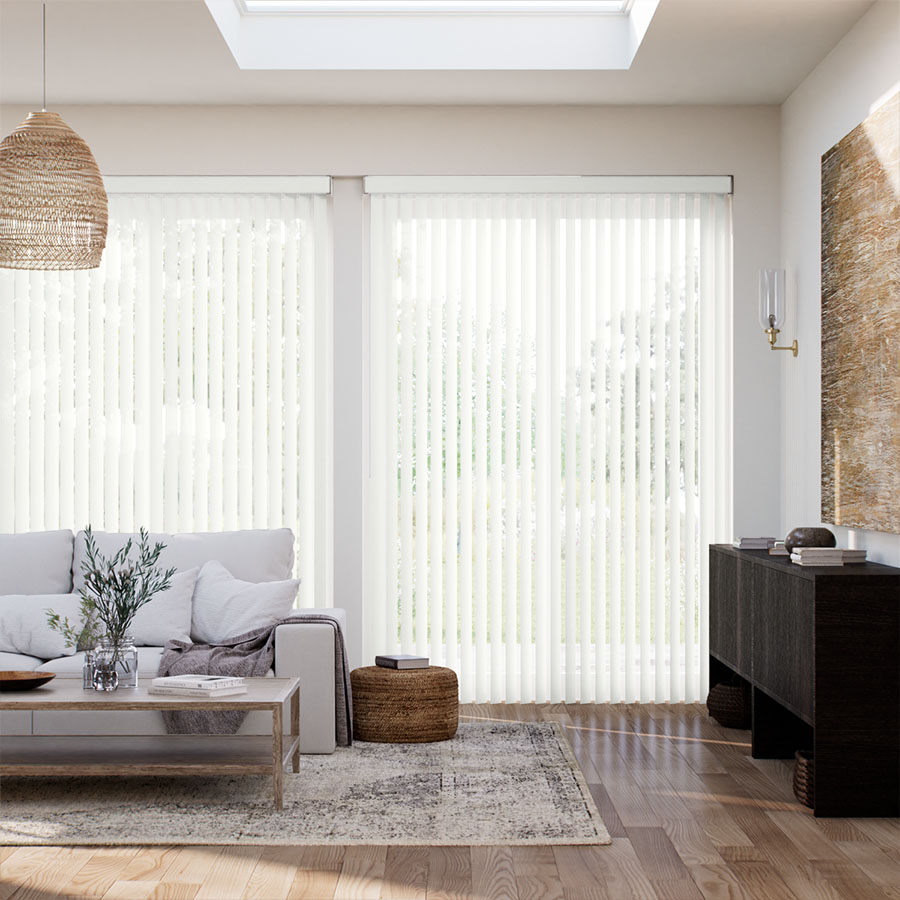
Positioned correctly, vertical blinds reflect sunlight outward, helping rooms stay cooler while reducing screen glare during warm summer afternoons.
Extra Tips for a Cooler Setup
- Align slats tightly to minimize side gaps, especially on wide openings.
- Choose lighter-colored slats to help reflect heat away from the room.
- Pair blinds with solar window film for additional daytime heat protection.
- Consider vertical cellular shades for enhanced insulation and energy efficiency.
Should Blinds Be Up or Down in Summer?
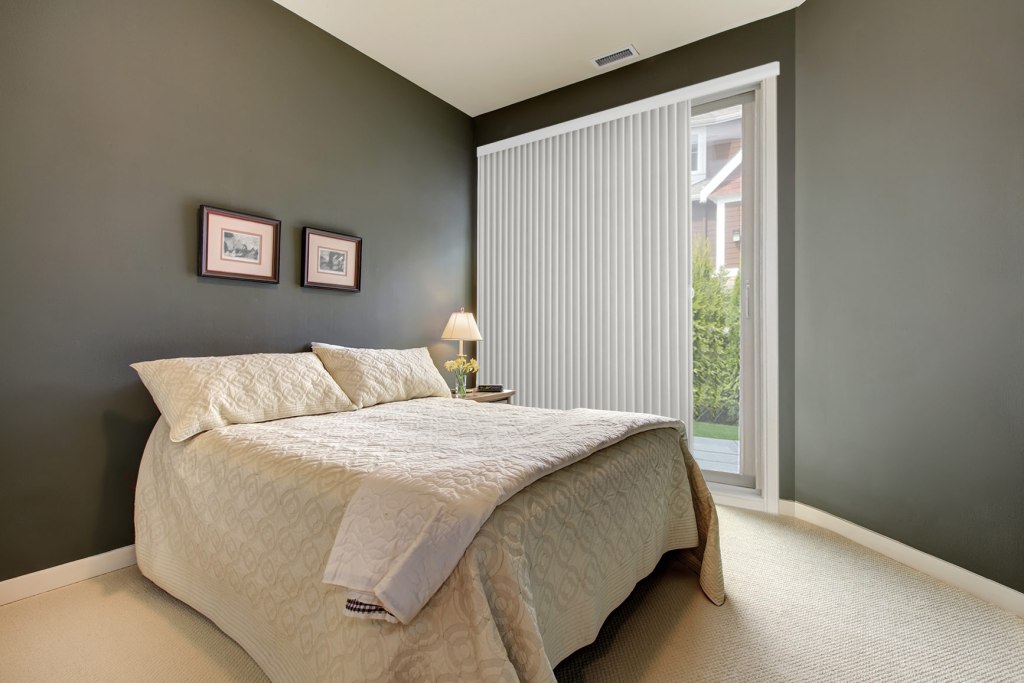
Blinds should be fully lowered with slats turned away from the room. This position maximizes shade, minimizes heat gain, and improves daytime privacy when sunlight is strongest.
Need help choosing the right slat direction or blind style? Connect with our Design Consultants for personalized guidance.