


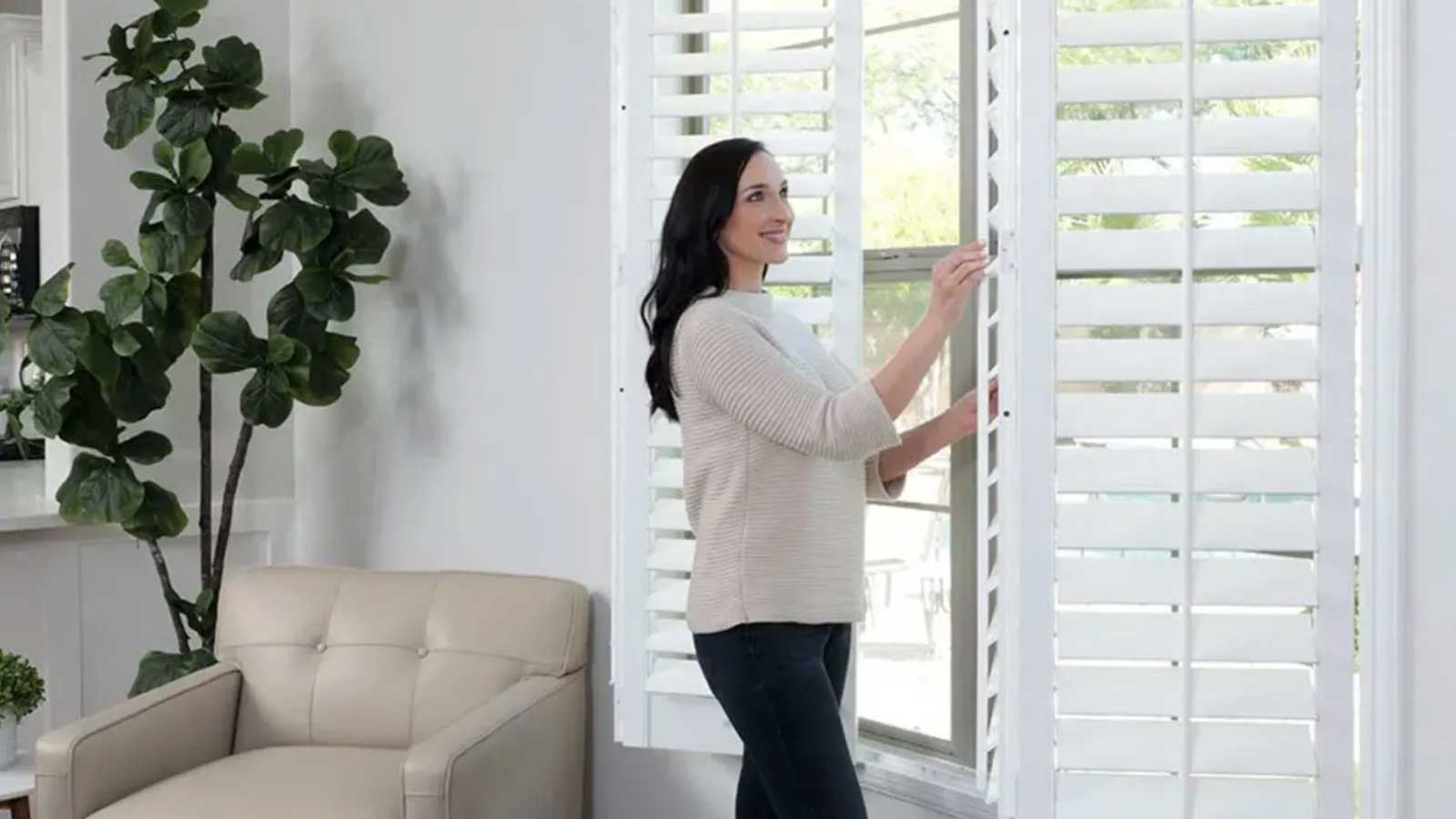
What Are the Disadvantages of Window Shutters?
Window shutters, sometimes called plantation shutters, are a timeless and stylish choice for many homeowners. They offer excellent light control, durability, and lasting curb appeal. But like any window treatment, they also come with trade-offs. If you're wondering whether shutters are the right fit for your home, it's worth understanding both their strengths and potential drawbacks before making a decision.
Let's take a closer look at some of the most common considerations when choosing window shutters and how they compare to other window treatment options.
1. Cost: Premium Look, Premium Investment
One of the biggest considerations is cost. Compared with traditional blinds or shades, window shutters typically require a larger upfront investment because they are custom-built and designed to become a permanent part of your home.
While the initial investment is higher, many homeowners appreciate shutters for their durability, timeless appearance, and long service life.

2. Limited Flexibility in Design
Unlike curtains or some window shades, shutters provide a more permanent architectural look. Their rigid frame and louvered design make changing the style of a room more difficult than simply replacing fabric window treatments.
This is especially worth considering in bedrooms, where softer treatments such as blackout curtains or Roman shades may create a warmer, more inviting atmosphere.
3. Space Considerations
Window shutters are mounted inside or around the window frame, which can reduce usable window depth. In smaller rooms or shallow window openings, this may make the space feel slightly tighter.
They also require clearance for the louvers to open fully, so furniture placed close to the window can occasionally interfere with operation.
4. Installation Requires Precision
Installing window shutters requires accurate measurements. If the fit is off, shutters may not operate properly or could leave unwanted light gaps.
Although SelectBlinds shutters are designed for DIY installation with step-by-step instructions, installation is generally more involved than hanging most cordless shades or standard blinds.
5. Not Ideal for Every Environment
Real wood shutters can be more susceptible to moisture in humid environments such as bathrooms, kitchens, or sunrooms. Faux wood shutters offer better moisture resistance and are often the preferred choice for these spaces.

6. Cleaning and Maintenance
While shutters don't require laundering like fabric window treatments, their louvers collect dust and benefit from regular cleaning. Keeping them looking their best typically involves occasional dusting or wiping each louver.
7. Light Control Is Not Total
Although shutters provide excellent control over daylight, they do not create complete darkness. Light can still pass between louvers and around the frame.
For bedrooms or media rooms where maximum darkness is important, consider pairing shutters with blackout curtains or choosing a total blackout window treatment.
Do Window Shutters Increase Home Value?
Because custom shutters are often considered a permanent fixture, many homeowners view them as a long-term investment that can enhance the overall appearance and perceived value of a home. While the exact return varies by market and property, quality shutters remain one of the most durable window treatment options available.
Drawbacks of Using Shutters in Bedrooms
Bedrooms present a few unique considerations when choosing shutters:
- They do not provide complete blackout on their own.
- Their structured appearance may feel less cozy than soft fabric treatments.
- Adjusting louvers throughout the day requires more interaction than simply raising or lowering a shade.
Many homeowners solve these challenges by layering shutters with curtains or pairing them with blackout shades for improved comfort and light control.

Final Thoughts: Are Window Shutters a Bad Idea?
Not at all. Window shutters remain one of the most attractive and durable window treatment options available, but they are not the perfect solution for every room or every homeowner.
If you appreciate their timeless appearance and long-lasting construction, window shutters can be an excellent investment. If flexibility, softer styling, or complete blackout are more important, you may prefer layering shutters with other window treatments or exploring our collections of window blinds and window shades.
Not sure which option is right for your home? Order up to 15 free samples to compare materials, colors, and finishes before making your decision.
Need a little guidance? Call or chat with one of our Design Consultants at (888) 257-1840. We're here to help and we're easy to talk to!